

Asphalt Contractor Insights on Preventing Premature Pavement Failure
 If your parking lot or access drive in Chattanooga is cracking, raveling, or puddling sooner than expected, the cause is usually predictable. Our climate, traffic patterns, and construction shortcuts all push asphalt harder here than many owners realize.
We help commercial property managers, facility teams, and owners avoid early pavement failure by planning for local conditions from the start.
Below, we break down what causes asphalt to fail early in the Chattanooga area and how smart maintenance planning keeps repair budgets under control.
Key Takeaways
- Chattanooga’s moisture, soils, and traffic patterns accelerate asphalt wear when maintenance is delayed.
- Most early pavement failures originate below the surface or from untreated cracks.
- Routine inspections and timely sealcoating extend pavement life significantly.
- Planning repairs in phases helps control costs and minimize operational disruption.
Causes of Early Asphalt Deterioration in Chattanooga and How to Prevent Them
Chattanooga pavement fails early for a handful of repeat reasons we see across office parks, retail centers, and industrial sites along corridors like I-24 and Highway 153.
Moisture Infiltration From Heavy Rainfall
Chattanooga’s frequent storms and high humidity allow water to penetrate small cracks quickly.
Once moisture reaches the base, the pavement loses support and begins to crack and settle under traffic.
Preventing this starts with timely crack sealing and proper drainage design, especially in low-lying lots near creeks or flood-prone zones common around the Tennessee River basin.
Inadequate Base Preparation
Many premature failures trace back to what is underneath the asphalt.
In areas with clay-heavy soils like those found throughout Hamilton County, poor compaction leads to shifting and depressions.
Proper subgrade stabilization and base thickness selection are critical, particularly for truck routes serving warehouses and distribution facilities near industrial parks.
Traffic Loads Beyond Original Design
Parking areas originally designed for light vehicle use often deteriorate quickly when delivery trucks, dumpsters, or service vehicles are added later.
We see this often at retail plazas and medical offices where usage changes over time.
Designing reinforced pavement sections and installing concrete pads in high-load areas helps prevent rutting and alligator cracking.
Freeze-Thaw Stress in Winter Months
While winters here are relatively mild, freeze-thaw cycles still occur several times each season.
Water trapped in cracks expands during cold snaps, widening damage and accelerating surface breakdown.
Proactive crack filling before winter and sealcoating on the right schedule reduce exposure during these temperature swings.
Oxidation and UV Exposure
Long, sunny summers in southeast Tennessee dry out asphalt binders faster than many owners expect.
As oxidation progresses, pavement becomes brittle and prone to cracking.
Regular sealcoating restores surface protection and slows aging, especially in large, open parking lots with no shade coverage.
Maintenance, Inspection, and Repair Planning to Extend Pavement Life Before Bigger Failures Occur
Preventing major asphalt failure is about acting early and following a structured plan rather than reacting once damage is obvious.
Establish a Routine Pavement Inspection Schedule
Annual inspections, plus quick checks after major storms, allow issues to be addressed while repairs are still minor.
Properties near Missionary Ridge or other sloped terrain benefit from watching drainage flow patterns closely.
Documenting crack growth, surface wear, and ponding helps prioritize work before safety or liability issues arise.
Sealcoat at the Right Time, Not Too Often
Sealcoating is most effective when applied to sound pavement with minor surface wear.
Applying it too late traps damage underneath, while applying it too early wastes budget.
For most Chattanooga commercial properties, a two- to three-year cycle works well, adjusted for traffic volume and sun exposure.
Repair Cracks Before They Interconnect
Individual cracks are manageable. Networks of connected cracks are not. Hot rubberized crack sealant applied during moderate temperatures bonds best and blocks moisture intrusion.
This step is especially important for lots serving office parks and shopping centers with steady daily traffic.
Address Drainage and Ponding Issues Early
Standing water accelerates pavement failure and creates slip hazards. Regrading low areas, adjusting inlets, or adding surface drainage keeps water moving off the pavement.
This is a frequent need in older commercial developments built before current stormwater standards were common.
Plan Structural Repairs in Phases
When deeper failures are identified, phasing repairs reduces disruption to tenants and operations.
Full-depth patching in traffic lanes or loading zones can be scheduled during off-hours to maintain uptime.
Coordinating repairs with striping and ADA-accessible layout updates also helps maintain compliance during inspections.
Keep Striping and Surface Features up to Date
Faded striping is more than an appearance issue. Clear markings support ADA accessibility, traffic flow, and pedestrian safety.
Re-striping after sealcoating and repairs keeps your lot inspection-ready and reduces risk exposure, especially for high-visibility properties like healthcare and hospitality sites.
Plan Your Pavement Before Failure Sets In
Premature asphalt failure costs more to fix than to prevent. If your Chattanooga commercial property is showing early signs of cracking, drainage issues, or surface wear, now is the time to act. At Kleenco Construction, we help you build a realistic pavement maintenance plan that fits your site, traffic demands, and long-term budget.
Call us to schedule a site walkthrough and get clear recommendations before small issues turn into capital repairs.
Frequently Asked Questions
How often should our commercial lot in Chattanooga be inspected?
Annual inspections work for most properties, with additional checks after heavy rain events common in this region. Facilities with truck traffic or sloped drainage should review conditions more frequently to catch base-related movement early.
What types of repairs require partial or full closure of parking areas?
Full-depth patching and drainage corrections usually require temporary closures. Scheduling after hours or in sections allows tenants to maintain access while meeting safety and OSHA jobsite requirements.
Are permits or approvals needed for asphalt repairs?
Minor maintenance, like crack sealing and sealcoating, typically does not require permits. Larger structural repairs, drainage changes, or ADA reconfigurations may involve local permitting and should be reviewed before work begins.
Can maintenance extend pavement life enough to delay full replacement?
Yes, when done early. Crack sealing, sealcoating, and targeted patching can add years of service life, especially for properties built on stable subgrades common in newer Chattanooga commercial developments.
Why You Should Hire a Commercial Asphalt Company Before Surface Failure Spreads
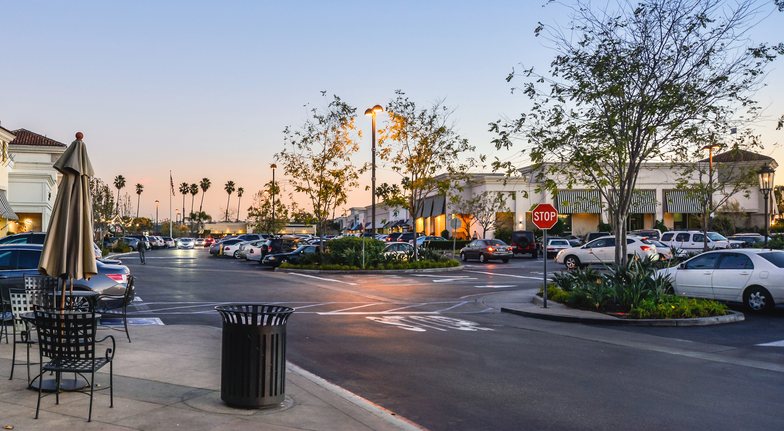 In Chattanooga, surface failure on commercial asphalt rarely starts with a dramatic collapse. It usually begins quietly. Hairline cracking near a loading dock off Amnicola Highway. Ponding water after a storm rolls through Lookout Valley.
A soft spot is forming where delivery trucks idle every morning. These early signs matter because once asphalt failure spreads, repair options narrow and costs rise fast. Understanding why early action works, and what to do next, helps protect your pavement asset before it turns into a full replacement project.
Below, we break down why timing matters and how we at Kleenco Construction help commercial property owners across the Chattanooga area intervene before surface failure becomes a liability.
Key Takeaways
- Early asphalt distress allows for targeted, lower-cost repairs instead of full reconstruction.
- Chattanooga’s climate and drainage conditions accelerate surface failure once cracks appear.
- Commercial traffic loads cause damage to spread faster after initial distress begins.
- Proactive evaluations reduce liability risks tied to ADA access and surface safety.
Small Cracks Become Structural Failures
What looks like minor cracking in a retail plaza near Hixson Pike is rarely just cosmetic. In the Tennessee Valley, frequent rain and temperature swings push water through cracks and into the base layers. Once moisture reaches the subbase, traffic loads accelerate failure from below.
Early crack sealing or targeted patching limits water intrusion and preserves the structural section, avoiding the need for deep excavation later.
Drainage Issues Multiply Damage Quickly
Chattanooga’s heavy spring storms and clay-heavy soils make drainage one of the biggest threats to asphalt longevity. When surface failure starts near catch basins or low spots in industrial parks along Highway 153, standing water weakens asphalt binder and base materials.
Addressing slope corrections and drainage improvements early prevents rutting, edge failure, and freeze-thaw damage that spreads across entire parking fields.
Traffic Loads Increase Exponentially Over Time
Commercial pavement does not fail at a steady pace. Once early distress appears, repeated loading from box trucks, service vehicles, and employee traffic compounds damage rapidly.
Distribution centers near I-75 often see isolated failures turn into widespread alligator cracking within a single season. Early intervention reduces stress concentration points and keeps loads distributed evenly across the surface.
Code and Liability Risks Grow With Visible Damage
Surface failure is not just an operational issue. In Chattanooga, visible asphalt deterioration can trigger ADA accessibility concerns, trip hazards, and inspection issues during property transactions. Once cracking and settlement expand into pedestrian paths or fire lanes, corrective work becomes urgent and less flexible.
Hiring a commercial asphalt company early allows repairs to be planned around code compliance rather than crisis response.
What To Do Next if You’re Seeing Early Signs of Surface Failure on Your Property
When early surface failure starts to show, the goal is to slow the damage before it compounds into a larger operational and financial problem. These are the practical next steps we recommend Chattanooga commercial property owners take as soon as warning signs appear.
Document Distress Patterns Immediately
The first step is identifying where and how failure is occurring. Cracks near dumpster enclosures, settlement along curb lines, or soft spots at drive lanes all point to different underlying causes.
On properties near Missionary Ridge or river-adjacent zones, soil movement and moisture play a larger role. Clear documentation helps determine whether surface treatments, base repairs, or drainage corrections are needed.
Schedule a Professional Pavement Evaluation
A commercial asphalt evaluation goes beyond a visual walk-through. It assesses surface condition, base integrity, drainage flow, and traffic patterns.
In areas like East Brainerd, where mixed-use developments bring varied vehicle loads, this evaluation prevents under-scoping repairs. Early assessments allow work to be staged logically, minimizing disruption to tenants and operations.
Prioritize Repairs Based on Risk and Use
Not all distress requires the same response timeline. Fire lanes, ADA routes, and primary access drives should be addressed before secondary parking areas.
On retail and office properties along Gunbarrel Road, prioritizing high-visibility and high-traffic zones reduces liability while extending pavement life elsewhere. A phased approach keeps budgets predictable without sacrificing safety.
Plan Work Around Chattanooga’s Climate and Permitting
Timing matters in asphalt paving work. Chattanooga’s humidity, heat, and seasonal rainfall affect curing windows and material performance.
Coordinating asphalt repairs during optimal weather reduces premature failure. Commercial projects may also involve coordination with local permitting offices, tenant schedules, and utility providers.
Planning early keeps projects compliant and avoids rushed decisions that inflate costs.
Schedule a Pavement Assessment Before Damage Escalates
Surface failure rarely fixes itself. Left alone, it spreads, weakens the surrounding pavement, and increases both liability and repair scope. At Kleenco Construction, we help Chattanooga-area commercial property owners identify early asphalt distress, prioritize smart repairs, and plan work that fits operational demands.
If you are noticing cracks, drainage problems, or surface instability, now is the time to act. Contact us to schedule a commercial pavement evaluation and take control of the issue before it controls your budget.
Frequently Asked Questions
How quickly does early asphalt damage spread on commercial properties in Chattanooga?
Damage progression depends on traffic volume, drainage, and base conditions, but in the Tennessee Valley climate, small cracks can expand significantly within one wet season if untreated. Moisture intrusion combined with heavy vehicle loads accelerates base failure and surface breakdown.
What does a commercial asphalt evaluation typically include?
A professional evaluation reviews surface cracking, rutting, drainage flow, base stability, and traffic patterns. It may include core sampling or depth checks when structural failure is suspected, helping define whether surface treatments or deeper repairs are required.
Can early repairs be scheduled without disrupting tenants or operations?
Yes. Early-stage repairs are easier to phase and often completed after hours or in sections. Planning allows coordination around delivery schedules, peak business hours, and access requirements, which is far harder once failure becomes widespread.
Are there regulations that affect how commercial asphalt repairs are handled?
Commercial asphalt work must account for ADA accessibility standards, fire lane requirements, and local inspection expectations. Addressing issues early makes it easier to stay compliant without emergency repairs that limit design and scheduling options.
What Causes Pavement Cracks That Lead to Commercial Asphalt Repair
Cracks show up fast on busy commercial lots in Chattanooga because of our hot summers, sudden storms, and steady truck traffic work the surface hard. Business owners around Hamilton Place and downtown see the same pattern every season.
Pavement breaks down from stress, weather, and design factors that add up over time.
We deal with these issues daily, and the good news is that you can spot the early signs before repairs get expensive. Let’s move into the main causes so you know what leads to commercial asphalt repair in our area.
Key Takeaways
- Pavement cracks in Chattanooga form from stress, heat, moisture, and aging.
- Drainage issues and heavy vehicle patterns speed up damage.
- Good repair planning limits business disruption and avoids repeat issues.
- Routine maintenance keeps repaired pavement stronger for longer.
Heavy Vehicle Load Patterns
Cargo trucks and delivery vehicles cut deep ruts into commercial lots, and that pressure creates cracks along the same travel paths. We see this on industrial properties near Amnicola Highway, where tractor-trailers shift weight during turns. That extra stress weakens the asphalt binder, which acts like glue for the aggregate.
Once the binder softens or stretches too far, small surface fractures form and spread during warm afternoons. A simple takeaway is that high-traffic lanes need stronger base support to delay early cracking.
Poor Drainage Near Slopes and Curbs
Standing water softens the subbase, and that sinking causes the asphalt above it to flex until it breaks. Lots along the steep slopes near Missionary Ridge often collect water where curbs block flow. Over time, moisture works through tiny gaps and weakens the compacted soil below.
Even small puddles can eat away at the structure when the water has nowhere to go. Improving flow paths keeps the base firm and helps your pavement hold up longer.
UV Exposure During Long Summer Heat
Constant sun exposure dries out asphalt, making it brittle and prone to surface cracking. Commercial properties in open areas like the Volkswagen Drive corridor feel this more because shade is limited. UV rays break down the oils that keep asphalt flexible.
Once that flexibility disappears, the surface chips and forms shallow cracks that widen after rain. Sealing early keeps the top layer protected from this slow breakdown.
Temperature Swings in Early Spring and Late Fall
Rapid shifts between warm afternoons and cold nights push pavement to expand and shrink in a cycle that causes fatigue. In Chattanooga, we see these swings most around the outskirts of Lookout Valley, where open lots absorb temperature extremes.
These repeated movements weaken the bond between layers. What starts as a small crack becomes a long fracture across the driving lanes.
Planning timely crack filling in shoulder seasons helps break that cycle.
Base Layer Weakness From Past Construction
If the base layer was never compacted well, the asphalt above will always move more than it should. Properties in older business parks near Brainerd often deal with this from past construction standards.
Once the base shifts, the asphalt bends and cracks in a spiderweb pattern.
Those cracks collect water, which accelerates the damage. Rebuilding weak sections of the base prevents the same cracks from returning after any repair.
Aging Pavement Beyond Its Life Span
Asphalt naturally wears out after years in the sun, rain, and traffic.
Lots around Hixson Pike with older retail spaces often have pavement that looks fine from a distance but has weakened layers underneath. The binder loses strength over time and can no longer grip the aggregate. That leads to loose surface grit and early cracking.
Resurfacing at the right point keeps aging from turning into a full replacement.
How To Plan for Effective Commercial Asphalt Repair
Evaluate Site and Review Drainage
An early assessment helps us pinpoint damage and understand how water moves across your lot. In Chattanooga, we often track how stormwater flows toward creeks near South Chickamauga Creek, which can shape how we grade the surface.
A full review identifies the low spots and the areas where cracks spread fastest.
We look for soil softness, clogged drains, and failing joints that let in water. This step sets the repair scope and prevents repeat issues.
Select Repair Methods for Local Conditions
Different damage levels call for different approaches, and local climate matters. For example, heavy summer storms in Red Bank and St. Elmo can push water back through fresh joints unless we choose materials that set quickly.
A small crack might only need a hot-applied filler, while a deeper fracture could require patching down to the base. We choose mixes rated for Tennessee’s heat and humidity.
Matching the method to the site leads to longer-lasting repairs.
Schedule Work To Reduce Business Disruption
Timing matters when repairs happen in busy commercial corridors like Gunbarrel Road.
We work around peak customer hours and consider how delivery trucks access loading zones. Cooler mornings are often better for compaction, and brief lane closures can keep your lot open. Planning staging areas keeps equipment out of customer paths.
A strategic schedule keeps your business operating while the pavement gets fixed.
Coordinate Permits and Access Requirements
Some areas of Chattanooga require permits for larger repair projects, especially when work affects drainage around public streets. Sites near schools or city parks like Heritage Park often need added coordination for safety.
We plan traffic control devices and make sure emergency access stays open.
Clear communication with property managers and nearby tenants avoids delays. This step keeps everything compliant and predictable.
Complete Final Inspection And Ongoing Maintenance
A final walkthrough confirms that the surface drains correctly and all cracks are sealed. In neighborhoods prone to runoff like North Shore, we pay close attention to how water moves after the repair. A smooth surface with tight joints keeps the lot durable.
We also help set a maintenance plan that includes routine sealing and regular sweeps to remove debris. Consistent care prevents cracks from returning.
Keep Pavement Cracks From Costing You More
Cracks spread fast in our climate, and they can turn a repairable surface into a full resurfacing job if ignored. The longer moisture and traffic work through those gaps, the more expensive the fix becomes. At Kleenco Construction, we assess problems early, walk you through repair options, and match the work to Chattanooga’s real conditions. Our team handles everything from evaluation to final inspection.
Contact us today to schedule service, request a quote, or set up a site visit this week.
Frequently Asked Questions
How can I tell if cracks on my commercial lot in Chattanooga need more than surface filling?
A pattern that spreads near slopes or drains often means the base layer is weakening, and a deeper repair approach protects the lot from repeated failures.
How long should commercial asphalt repairs last in Tennessee’s heat?
A typical hot-mix patch can last several years when paired with sealing, especially on lots that drain well after heavy summer storms.
How fast can a repair crew complete work on a busy retail parking lot?
Most crack filling and patching can be finished in one to two days when access is clear and parking areas near storefronts are staged in sections.
What type of asphalt mix works best for humid areas around the Tennessee River?
A mix designed for high heat and moisture holds up better, and pairing it with fresh sealcoat helps the surface stay flexible during long summer months.
Is Your Basement Leak Really a Sign You Need Drainage Repair?
 If you’re a homeowner in Chattanooga and you’ve spotted water in your basement, it’s easy to brush it off as a one-time issue—maybe due to a heavy rain or an aging foundation.
But here’s the truth: a leaking basement is often your home’s way of telling you something bigger is going on, and in many cases, that “something” is poor drainage.
In a city like Chattanooga, where rainstorms roll in fast and the terrain is naturally hilly, water doesn’t always move the way it should.
In this post, we’ll help you understand what your basement is trying to tell you and what steps you should take next.
Key Takeaways
- A basement leak in Chattanooga usually means there is a drainage issue related to the land or construction.
- Common causes include saturated soil, rising groundwater, clogged drains, old gutters, or missing waterproofing.
- Long-term repair often includes grading, French drains, sump pumps, better gutters, and sealing basement walls.
- Early repair helps prevent damage and protects Chattanooga homes from recurring leaks and moisture problems.
Understanding What a Basement Leak Means for Chattanooga Homes
In Chattanooga, basement leaks almost always have an underlying cause tied to the land, weather, or construction practices. Here’s what your basement might be telling you—and why it usually points to a drainage issue.
Soil Saturation on Sloped Lots
In areas like Missionary Ridge or East Brainerd, where homes are built into slopes or hillsides, water naturally flows toward the foundation.
When heavy rains hit—as they often do in Chattanooga’s subtropical climate—the clay-heavy soil becomes oversaturated and pushes moisture against basement walls.
If your lot isn’t properly graded or your drainage system isn’t directing water away efficiently, that pressure leads to leaks.
In this case, the leak isn’t just about faulty concrete.
It’s about water sitting where it shouldn’t be.
Hydrostatic Pressure From Tennessee Valley Groundwater
Chattanooga sits in the Tennessee Valley, and because of its proximity to the Tennessee River and a relatively high water table, many homes face seasonal increases in hydrostatic pressure.
This invisible force pushes water up through cracks in basement floors or walls, especially in older homes in neighborhoods like St. Elmo or Highland Park.
Even a small amount of seepage here is often a symptom of drainage failure or insufficient waterproofing—not just age-related wear and tear.
Clogged or Broken Exterior Drainage Systems
We’ve seen plenty of homes in Hixson and Red Bank where basement leaks were caused not by cracks or bad concrete but by something as simple as a blocked French drain or a crushed downspout line.
Over time, yard debris, tree roots, and even animals can clog your exterior drainage systems. When water can’t escape properly, it pools around your foundation and finds its way in.
In these cases, what looks like a leak problem is actually a drainage system failure in disguise.
Poor Gutter Management on Older Homes
Many homes in Chattanooga’s historic districts, like Fort Wood or Glenwood, have aging or undersized gutter systems. These older setups were never designed to handle the intense rainfall we get today—especially during sudden summer storms.
Overflowing gutters dump water directly around the foundation, and without proper downspout extensions or drainage solutions, that moisture works its way into your basement. The leak is real, but the root problem starts on your roofline.
Inadequate Foundation Waterproofing During Construction
We’ve worked on plenty of newer builds in Ooltewah and Apison, where basement leaks developed within just a few years of construction. Often, the issue stems from builders cutting corners on drainage or waterproofing during the foundation phase.
Without a proper perimeter drain or sealant system, even light rainfall can cause water intrusion. In this case, the leak reveals a flaw in how the house was built, and drainage repair is the long-term fix—not just patching the wall.
Taking the Right Steps Toward Lasting Drainage Repair
Once we’ve identified that a basement leak is tied to drainage issues, we don’t stop at surface fixes. Here’s how we typically solve basement drainage problems for Chattanooga homes, step by step:
Site Grading and Slope Correction
The first step we often take for Chattanooga homes with drainage issues is re-evaluating how the land slopes around the house.
On properties in areas like Signal Mountain or East Ridge, we regularly find low spots or improper grading that funnel rainwater straight toward the basement. Correcting the slope—either by reshaping the soil or installing swales—can redirect runoff and significantly reduce the pressure on your foundation walls.
Installing or Repairing French Drains
French drains are one of the most effective ways to manage surface and subsurface water around homes in the Chattanooga area.
If your basement leak stems from saturated soil or pooling water near the foundation, a properly installed French drain can move that water safely away.
In neighborhoods like Tyner or Shepherd, where flat yards often collect standing water, we’ve seen major improvements from this solution alone—especially when tied into downspout extensions or dry wells.
Upgrading Gutter and Downspout Systems
Sometimes the answer is above ground. We often find that homes with persistent basement moisture—especially those in downtown Chattanooga or Southside—have poorly maintained or undersized gutters. We’ll upgrade the gutter system, add wider downspouts, and extend them well away from the home’s perimeter.
This simple change often prevents thousands of gallons of rainwater from ever reaching your basement in the first place.
Adding Interior Drain Tiles and Sump Pumps
When exterior fixes aren’t enough—especially in low-lying areas like Alton Park or Amnicola—we recommend adding interior drainage systems.
Drain tiles placed along the perimeter of your basement floor collect groundwater before it can rise and push through the concrete. Connected to a high-quality sump pump, this system quietly manages hydrostatic pressure from below.
It’s especially helpful for older homes built before modern waterproofing standards.
Sealing Cracks and Waterproofing Walls
Of course, once we’ve solved the exterior and subsurface drainage issues, we also address the immediate leak points. That means sealing cracks, applying waterproof coatings to the inside of basement walls, and using vapor barriers where necessary.
But this work only sticks if the drainage system is functioning.
We’ve seen far too many Chattanooga homeowners waste money on patch jobs without fixing the root cause—only to see the leak come back after the next storm.
Don’t Let a Basement Leak Turn Into a Bigger Problem
Schedule a drainage inspection today, and let’s figure out whether your basement leak is a one-time issue—or a sign you need real drainage repair. At Kleenco Construction, we bring local insight, proven solutions, and honest service to every job.
Let’s stop the leak at the source—before it causes bigger problems.
Reach out now to get started.
Frequently Asked Questions
What early signs suggest a drainage issue before a basement leak starts?
Musty smells, white residue on walls, or damp basement air often point to drainage issues. We offer inspections to catch problems before they lead to visible water or structural damage.
Can landscape features affect how water drains around my foundation?
Yes, raised beds, patios, and edging can trap water against your home. We assess landscaping during our drainage evaluations and recommend grading or drainage fixes to redirect water flow safely.
How often should I schedule drainage maintenance around my home?
We suggest checking your drainage system every two years, especially after heavy rainfall. Our team inspects slopes, downspouts, and underground drains to ensure your system still protects your foundation.
Does homeowners’ insurance usually cover basement drainage repairs?
Most policies exclude damage from slow water intrusion or poor drainage. We provide detailed reports and estimates that may help when filing claims for resulting damage or repairs.
What to Do the Week Before Your Asphalt Contractor Arrives
 Preparing for an asphalt paving or resurfacing project involves making sure your property is ready for the job. If you’re in Chattanooga, TN, that preparation needs to factor in our hilly terrain, unpredictable weather patterns, and even local traffic around areas like Hixson, Lookout Mountain, and Brainerd.
Whether you’re having a new driveway installation in Northshore or resurfacing a parking lot near Hamilton Place, here’s exactly what you should do the week before your asphalt contractor shows up.
Key Takeaways
- A clear work zone with no vehicles or clutter gives asphalt crews space to work efficiently and without delay.
- Early notice to neighbors and tenants prevents surprise access issues in busy Chattanooga areas like Red Bank or Glenwood.
- Local rules, parking needs, pets, trees, and sprinklers all affect how smoothly asphalt work happens on your property.
- Missed prep steps can be fixed fast by contacting your contractor and adjusting plans before major delays happen.
Clear All Vehicles From the Work Area and Surrounding Access Points
In Chattanooga, many driveways and parking lots have narrow access due to older neighborhood layouts or steep inclines. That’s why it’s critical to move all vehicles out of the work zone and clear adjacent driveways, alleys, and side streets to give the asphalt crew enough space for their equipment and trucks.
At Kleenco Construction, we’ve seen delays simply because a parked car blocked a dump truck’s path. Don’t just think about your own driveway. Also consider any shared access points or HOA roads, and let neighbors know in advance if access will be limited.
Notify Neighbors and Tenants About the Project Start Date
In close-knit neighborhoods like Highland Park or Glenwood, surprise construction work can quickly lead to tension. Whether you’re managing a commercial property on Lee Highway or live in a duplex in Red Bank, giving your neighbors or tenants a heads-up about the start date—and expected duration—can prevent complaints, access issues, or unnecessary interruptions.
A simple note or group message explaining the scope of the work and parking restrictions is usually enough to keep everyone on the same page.
Trim Back Overhanging Branches and Landscaping Near the Work Area
In areas like Riverview and East Brainerd, where mature trees line the streets, overhanging limbs can obstruct equipment or drop debris onto freshly poured asphalt. The week before your contractor arrives, take a walk around the job site and trim back any branches or shrubs that might be in the way.
If you’re not comfortable doing this yourself, a quick call to a local tree service can usually get it done in a day. This small step helps prevent scuffs, surface damage, or unnecessary cleanup that can slow things down.
Turn Off Sprinkler Systems and Schedule Any Necessary Irrigation Changes
If you’re located near the Tennessee River or in areas with well-irrigated lawns like Heritage Landing, water runoff can be a problem. Make sure to disable any automated sprinklers at least 24–48 hours before the scheduled work begins, and keep them off until the asphalt has fully cured.
Excess moisture can weaken the surface bond or create issues with compaction. If you have a landscaping company or gardener, let them know to adjust their schedule for the week accordingly.
Secure Pets and Plan Alternate Access for Deliveries or Guests
Many neighborhoods in Chattanooga, especially in Southside or Missionary Ridge, are pet-friendly. But curious pets and fresh asphalt don’t mix. If your dog is used to roaming the backyard or driveway, make sure you’ve got a plan to keep them inside or at a friend’s house while work is happening.
The same goes for delivery drivers or guests.
If your home is difficult to access during construction, give them a heads-up or redirect them to a nearby street.
Make a Plan for Parking and Temporary Access During Construction
Parking can be tight in busy areas like Downtown Chattanooga, especially near MLK Boulevard or Market Street.
If you won’t be able to use your driveway or parking lot for a couple of days, figure out alternative parking options early. This might mean talking to a neighbor, using public parking nearby, or temporarily moving your vehicles to a lot on Broad Street or Manufacturers Road.
Having a plan prevents frustration and helps the crew work faster without interruptions.
Double-Check Any HOA Rules or Permitting Requirements
Some subdivisions in areas like Ooltewah and Apison have strict HOA guidelines that cover everything from permitted work hours to contractor access and signage. The week before your project starts, review your HOA agreement or contact the board to ensure you’re not missing any required approvals.
For commercial projects, check if you need a permit from the City of Chattanooga’s Department of Transportation or if lane closures need to be coordinated.
What to Do If You Forgot to Prepare in Advance
Even if the week gets away from you, all is not lost. We’ve worked on enough projects in Chattanooga to know that life happens. If you didn’t check every box ahead of time, here’s what we recommend doing—fast—to keep the project from going off the rails.
Contact Your Contractor Immediately to Coordinate a Revised Plan
If you realize on the morning of the project that your driveway is still full of vehicles or you haven’t notified tenants, your first move should be to call your contractor.
At Kleenco Construction, we’re used to last-minute changes and can often rearrange the day’s schedule to give you a little more prep time. But the earlier we know, the better chance we have to adjust without added costs or delays.
Move What You Can, Even if It Causes a Minor Delay
In many Chattanooga neighborhoods, especially ones with tight access like Fort Wood or Battery Place, even a single trash bin or parked vehicle can hold up the work.
If you forgot to move things ahead of time, take 30 minutes to clear the area as best you can. We’d rather wait a little while for you to relocate a car than have to reschedule the job entirely.
Let Neighbors or Tenants Know as Soon as Possible
Even if the work has already started, sending out a quick message to your neighbors or tenants is better late than never. In places like East Lake or Avondale, where parking is limited and people rely on shared spaces, communication is key.
A brief explanation can go a long way in avoiding complaints or disputes during the job.
Reschedule Non-essential Services for Later in the Week
If lawn care, pool maintenance, or a delivery truck is set to arrive during asphalt paving, reach out and ask to postpone. In busy areas like the UTC campus district, where service traffic is constant, we’ve seen uncoordinated scheduling cause delays or damage.
It’s better to reschedule those visits than risk compromising freshly laid asphalt.
Work With Your Contractor to Protect Any At-Risk Landscaping or Features
If you didn’t get a chance to trim trees or protect delicate plants—like those hydrangeas blooming along your driveway in North Chattanooga—let us know when we arrive. We can often place protective barriers or adjust our workflow to reduce the impact.
Just be upfront so we know what to look out for.
Ask if a Partial Job Setup Is Possible for the First Day
In some cases, we can split a larger project into stages, especially for commercial jobs along Shallowford Road or Amnicola Highway.
If you’re not fully ready, but still want to get started, ask if it’s possible to prep part of the area on day one while you finish getting the rest of the site ready. It’s not always feasible, but for certain layouts, it can be a time-saving compromise.
Keep Your Project on Track with the Right Preparation
It’s easy to forget a few things when you’re juggling a busy schedule, but overlooking key prep steps can lead to delays, added costs, and frustration.
Our crews can make it easy for you to stay on schedule and avoid surprises. We’ll walk you through the entire prep process before your project date and help with anything you might miss. Contact us today to schedule your asphalt service or request a free quote.
Let’s make sure your property is ready for a smooth, hassle-free paving experience.
Frequently Asked Questions
How long should I wait before driving on new asphalt?
We recommend waiting 48 to 72 hours before driving on new asphalt to avoid surface marks and premature wear, especially during warmer Chattanooga days when curing takes longer.
Can you install asphalt during colder months in Chattanooga?
Yes, but we monitor surface and air temperatures closely. Asphalt typically can’t be installed below 50°F due to compaction issues common in Chattanooga’s late fall and winter conditions.
What happens if it rains right after paving is done?
Fresh asphalt needs time to cool and cure, so unexpected rain may cause surface damage. We schedule carefully and take precautions based on Chattanooga’s changing weather patterns.
Do you offer parking lot striping after asphalt work?
Yes, we provide full striping services for commercial lots and follow all ADA and Chattanooga code requirements for layout, spacing, and markings.
What Timeline Should You Expect for Different Phases of New Construction?
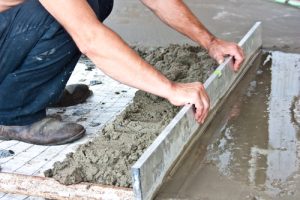 Building a new home or commercial space in Chattanooga is exciting, but let’s be honest—timelines can get a little confusing.
If you’re planning a new construction project anywhere from Lookout Mountain to Northshore, knowing what to expect at each stage can save you time, stress, and money.
The construction process in Chattanooga isn’t one-size-fits-all, but there are some consistent patterns that we see with projects in neighborhoods like East Brainerd, St. Elmo, and Signal Mountain.
Here’s a realistic breakdown of what to expect at each phase of your build—so you can plan smarter from the start.
Key Takeaways
- Site prep and permitting in Chattanooga usually take two to four weeks, with possible delays in special zones.
- Foundation work, framing, and exterior finishes together often need seven to eleven weeks, depending on terrain and weather.
- Mechanical systems, insulation, drywall, and interior finishes usually require six to eleven weeks, with design details affecting time.
- Final inspections and punch list take one to two weeks, and Kleenco Construction ensures projects finish smoothly and on schedule.
Site Prep and Permitting Usually Takes 2–4 Weeks
Before a single shovel hits the dirt in Chattanooga, we need to prepare the lot and get the right approvals. This includes clearing the land, grading, setting up erosion controls, and coordinating with the city for building permits. In some areas—especially near flood zones like those around the Tennessee River—extra environmental reviews may be required.
The permitting process through the Chattanooga Land Development Office typically adds a few weeks, especially if you’re building in historically sensitive areas like Highland Park or Fort Wood, where architectural reviews may be needed.
Foundation Work Typically Runs 1–2 Weeks, Depending on Location and Soil
Once permits are in place, laying the foundation moves fast—unless we hit surprises.
In neighborhoods with rocky or sloped terrain, like Lookout Valley or Missionary Ridge, excavation and leveling can take extra time. Most homes in flatter areas like Hixson or Ooltewah move through this phase in about a week.
Soil quality in Chattanooga varies quite a bit, so sometimes we need to bring in engineers to assess stability and recommend deeper footings or special drainage.
Framing Takes 2–4 Weeks, Influenced by Weather and Home Size
The framing phase is when your project starts to look like a building. It includes everything from floor joists and wall studs to roof trusses.
For most standard-size homes around East Ridge or Red Bank, this step is wrapped up in about three weeks. But framing can slow down if we hit a string of rainstorms, which is common during late spring and summer months in Chattanooga.
Windy ridge areas like Signal Mountain can also require added reinforcements, which may stretch timelines.
Roofing and Exterior Finishes Usually Last 1–2 Weeks
After the framing is inspected, we’ll install the roof and begin the siding or exterior brickwork. This stage is heavily affected by weather—especially during storm season when roofers can’t safely work.
If you’re building a home with custom exterior finishes or energy-efficient upgrades like insulated siding or solar-ready roofing (which are growing in demand in downtown Chattanooga), expect this stage to lean toward the longer end of the range.
Mechanical, Electrical, and Plumbing (MEP) Rough-Ins Take About 2–3 Weeks
This is when the guts of the building—your HVAC systems, plumbing lines, and electrical wiring—go in. Coordinating trades is key here. In Chattanooga, we often work closely with EPB (Electric Power Board) to schedule inspections and meter hookups, which can add a few days.
In older parts of town, like Glenwood or Battery Place, we sometimes have to navigate older utility infrastructure or tight easement restrictions, which can also cause delays.
Insulation and Drywall Installation Takes About 1–2 Weeks
Once MEP inspections are passed, insulation is installed, and then drywall goes up.
Most homes in areas like Brainerd or Northshore are dried in quickly, especially if we’ve had a good run of weather.
However, homes with vaulted ceilings or complex layouts—like the Craftsman-style builds often found in Ashwood or Hill City—can take extra time to hang and finish drywall properly.
Interior Finishes and Trim Work Typically Span 3–6 Weeks
This phase includes flooring, cabinets, countertops, paint, and all the finishing details that bring the space to life. It’s also when custom touches—like built-ins, tile work, or wood ceiling beams—get added.
In neighborhoods like Southside, where many buyers are opting for modern farmhouse or industrial-style finishes, sourcing specific materials (especially reclaimed wood or custom fixtures) can add time if we’re waiting on shipments or specialty contractors.
Final Inspections and Punch List Usually Take 1–2 Weeks
Before move-in, we schedule final inspections with the City of Chattanooga, complete any punch list items, and ensure everything meets code. In high-demand building seasons—especially in spring and early fall—it can take a few extra days to get on the city’s inspection schedule.
If you’re building near commercial corridors like Gunbarrel Road or Downtown’s Innovation District, additional inspections may be required due to zoning overlays or mixed-use standards.
Ready to Build Without the Guesswork?
Delays and surprises during construction are frustrating—but they’re also preventable with the right plan and team.
At Kleenco Construction, we manage every phase of your Chattanooga build with clear timelines, transparent communication, and deep local experience. We know how to navigate city permits, handle East Tennessee’s unpredictable weather, and keep your project on track from the first site prep in Hixson to the final inspection in St. Elmo.
Whether you’re building a custom home, an ADU, or a small commercial space, we’re here to make the process smooth and predictable.
Let’s talk about your project and build a realistic schedule you can count on.
Contact us today to get started.
Frequently Asked Questions
How early should I involve a builder in my Chattanooga project?
Involving a builder early helps you choose the right lot, understand city regulations, and prepare financing. At Kleenco Construction, we guide Chattanooga homeowners from the planning stage to ensure smoother construction with fewer setbacks.
Can the weather in Chattanooga affect construction schedules beyond rain delays?
Yes, humidity, summer storms, and winter freezes can all impact material performance and crew safety. At Kleenco Construction, we schedule around Chattanooga’s seasonal conditions to keep projects moving efficiently without compromising quality or safety.
What role do architects and designers play in the construction timeline?
Architects and designers prepare drawings, review compliance, and select finishes that fit your style. At Kleenco Construction, we work with trusted Chattanooga professionals to streamline the process and keep projects moving without costly holdups.
How can I manage budget changes during construction in Chattanooga?
Budget changes often happen when materials or design plans shift. At Kleenco Construction, we provide upfront estimates, clear communication, and budget management strategies so Chattanooga homeowners can control costs without sacrificing project quality.
How Can You Tell If Your Asphalt in Chattanooga Was Installed Properly?
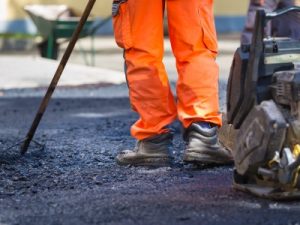 A smooth, long-lasting asphalt surface isn’t just about how it looks. It’s about how well it was installed from the ground up. Here in Chattanooga, with our mix of hot, humid summers and chilly, wet winters, quality asphalt installation matters more than most people realize.
At Kleenco Construction, we often get called to fix asphalt work that simply wasn’t done right the first time. So, how do you know if your asphalt was installed properly in the first place?
Here are the key signs to look for—based on the standards we follow every day on the job.
Key Takeaways
- A proper slope helps rainwater drain fast so asphalt won’t break down in areas like East Ridge or St. Elmo.
- Strong edges and even texture show the asphalt was compacted right and won’t fall apart around Red Bank streets.
- Quality asphalt stays firm through hot Chattanooga summers without soft spots, ruts, or damage from daily car traffic.
- Kleenco Construction offers lasting asphalt work built for Chattanooga’s weather, soil, and traffic so you avoid future problems.
Surface Has a Uniform Slope for Water Drainage
In Chattanooga, standing water is one of the fastest ways to destroy asphalt. If the surface wasn’t graded properly during installation, you’ll notice puddles forming after a storm, especially in low-lying areas like St. Elmo or East Ridge.
A professionally installed asphalt surface should have a subtle but intentional slope that directs water off the pavement, either toward a storm drain or into the surrounding landscape.
If water sits for more than 48 hours after rain, poor grading might be to blame.
Edges of the Pavement Are Clean-Cut and Properly Supported
We see a lot of problems around the edges of asphalt driveways and parking lots in areas like Red Bank and Missionary Ridge. A proper installation includes compacted gravel shoulders or edge restraints to support the asphalt and keep it from cracking or unraveling.
If the edges look jagged, frayed, or begin to crumble within the first year, it’s a strong sign that the installer skipped a critical step in reinforcing the perimeter.
There Are No Visible Roller Marks or Uneven Texture
Driving through downtown Chattanooga or heading out on Shallowford Road, you’ve probably noticed asphalt that looks wavy or patchy. That uneven appearance is often caused by inconsistent compaction during installation. A well-installed asphalt surface should have a consistent texture and color with no visible roller lines or soft spots.
At Kleenco Construction, we use the right roller size and pressure based on the mix and project type, ensuring the surface finishes uniformly across the board.
Surface Remains Stable During Hot Summers
We all know Chattanooga summers can be brutal, especially when temps hit the 90s and humidity soars. Poorly installed asphalt may begin to soften or rut under the weight of cars during hot spells, particularly in neighborhoods like East Brainerd or around Hamilton Place, where traffic is heavy.
Quality asphalt mix and proper compaction help the surface resist heat-related deformation. If your asphalt starts to feel squishy or shows ruts by midsummer, something was likely off during installation.
Base Layer Is Firm and Doesn’t Shift Under Pressure
One of the most overlooked parts of an asphalt installation is what’s underneath.
The base layer, typically compacted gravel, must be stable and deep enough to handle local soil conditions, especially in areas like Lookout Mountain, where the ground can be softer or more prone to moisture.
If your asphalt feels like it’s sinking, cracking early, or showing signs of movement, it may be because the sub-base wasn’t prepped correctly. Proper installation should result in a surface that feels rock solid underfoot and under vehicle load.
Cracks or Potholes Don’t Appear in the First Year
It’s normal for asphalt to develop minor surface wear over time, but cracks and potholes shouldn’t show up within the first 12 months, especially not in areas like Hixson or Glenwood, where traffic is moderate and soil movement is minimal.
Early signs of damage usually mean the asphalt was too thin, poorly compacted, or laid on an unstable base. At Kleenco, we aim for a minimum compacted thickness that matches the load expectations of your property so early cracking isn’t an issue.
Get Peace of Mind With Asphalt That Lasts
If you’re seeing puddles, crumbling edges, or early cracks in your asphalt surface, you’re not alone. Many homeowners and property managers across Chattanooga—from Highland Park to Tyner—run into issues because their pavement wasn’t installed with the climate, soil, and traffic patterns of our area in mind.
At Kleenco Construction, we take pride in doing the job right the first time. We install asphalt surfaces that hold up against Chattanooga’s seasonal weather swings and local terrain challenges. Whether you’re fixing a failed driveway or planning a new parking lot, we’re here to help you get lasting results.
Reach out to us today to schedule a free inspection or get a quote. Let’s make sure your asphalt surface is built to last, just like it should be.
Frequently Asked Questions
How long should I wait before driving on newly installed asphalt in Chattanooga?
New asphalt in Chattanooga usually needs 48 to 72 hours to cure, especially in summer when heat slows the hardening process. At Kleenco Construction, we’ll give you a clear timeline based on local weather.
Can asphalt be installed during winter in Chattanooga?
Yes, but only when daytime temperatures stay above 50°F. Cold weather in Chattanooga can prevent proper compaction. We monitor forecasts closely and schedule around safe working windows to get the best results.
How thick should residential asphalt be for homes in Chattanooga?
In most Chattanooga neighborhoods, we recommend a compacted asphalt thickness of at least three inches to handle vehicles and weather. Kleenco Construction adjusts depth based on soil and driveway usage for long-term durability.
Does Kleenco Construction provide maintenance services after installation?
Yes, we offer sealcoating, crack repair, and patching services to extend your asphalt’s lifespan. Regular maintenance is especially important in Chattanooga’s freeze-thaw zones, like Lookout Valley and Missionary Ridge, to prevent early damage.
What Happens During Your First Consultation With a Paving Company in Chattanooga?
If you’re a homeowner or business owner in Chattanooga looking to repave your driveway, parking lot, or private road, the first step is usually a consultation with a local paving company.
But what exactly should you expect?
Understanding how that first meeting goes can help you feel more prepared and confident. Chattanooga’s unique terrain, weather patterns, and mix of historic and modern properties mean your paving needs are going to be a little different from someone’s in a flat, dry region.
Here’s what typically happens during your first consultation with a paving company right here in Chattanooga.
Key Takeaways
- The first consultation helps explain the paving process and how Chattanooga’s terrain and weather affect your specific project.
- A local expert inspects your surface for slope, drainage, and soil issues that impact long-term paving performance.
- The discussion covers traffic use, permits, and local rules to create a plan that fits your property’s needs.
- The estimate includes pricing and timing based on Chattanooga conditions, with Kleenco Construction ready to manage every detail.
Site Evaluation and Surface Inspection
The consultation almost always starts with an on-site evaluation.
In Chattanooga, where elevation changes are common—especially around areas like Missionary Ridge or Lookout Valley—a visual and physical inspection of your property is essential. A paving contractor will check the slope, drainage patterns, soil composition, and any signs of existing damage such as cracks, potholes, or soft spots.
For example, if your property is near the Tennessee River or in a low-lying area like East Lake, standing water and moisture retention may require different base materials or drainage solutions.
The goal during this phase is to fully understand the condition of the surface so that the final asphalt paving work lasts through the region’s humid summers and occasional freeze-thaw cycles in winter.
Discussing Usage Needs and Traffic Flow
Next, you’ll talk through how the paved area will be used.
A residential driveway in Red Bank has different requirements than a heavily trafficked commercial lot near Hamilton Place Mall. Will the area see daily use from standard vehicles, or will it need to withstand the weight of delivery trucks, trailers, or equipment?
Local paving experts take this into account when recommending asphalt thickness, base depth, and reinforcement options.
For example, if you’re running a small business near the UTC campus with student foot traffic and deliveries, the surface may need both durability and safety striping features.
Reviewing Local Regulations and Permits
In Chattanooga, city ordinances and codes can affect everything from the type of paving material used to the required setbacks from property lines.
During your first consultation, your paving contractor should discuss any permits you may need, especially if you’re in neighborhoods with HOA rules like Black Creek or areas with historic preservation guidelines like Fort Wood.
They’ll walk you through the approval process, and often, they can even handle the paperwork on your behalf. Understanding local regulations up front prevents costly delays and ensures compliance with city standards.
Customizing the Paving Solution to Match Local Conditions
A good contractor won’t offer a one-size-fits-all solution.
During the consultation, they should tailor their recommendations based on what works best in Chattanooga’s climate and soil types. For instance, the clay-heavy soil found in many parts of Hixson can shift and settle, requiring a thicker sub-base or specific compaction methods to prevent future cracking.
The contractor may also suggest specific types of asphalt blends that hold up better under the city’s high humidity and summer heat.
They’ll factor in the shade from nearby trees—common in neighborhoods like Brainerd—and how that might affect drying times or mold growth on the pavement.
Providing a Transparent Estimate and Project Timeline
Toward the end of the consultation, you should receive a detailed estimate and timeline. This isn’t just a rough guess. It should include breakdowns of materials, labor, equipment, and any potential add-ons like sealcoating or striping.
Local contractors in Chattanooga often factor in variables like access limitations on steep drives in Lookout Mountain or coordination with other ongoing construction in growing areas like Ooltewah.
They’ll also explain the best time to schedule your project, usually aiming for drier months like late spring or early fall, when humidity is lower and paving conditions are ideal.
Get Professional Advice Tailored to Your Chattanooga Property
You don’t want a generic paving job—you want something that stands up to Chattanooga’s weather, terrain, and traffic. At Kleenco Construction, we specialize in local paving solutions that are built to last. Whether you’re in Riverview, Highland Park, or near Enterprise South, we understand the challenges and expectations that come with paving in this area.
Let us handle the hard part from permits to prep to final smooth finish.
Contact us today to schedule your consultation, get a free quote, and see how we can make your next paving project smooth from start to finish.
What Should You Do When Your Asphalt Turns Gray? A Chattanooga Asphalt Company Explains
Black asphalt doesn’t stay black forever. In neighborhoods across Chattanooga, from the shaded streets of St. Elmo to the wide open lots near East Brainerd, it’s common to see driveways and parking lots fade to a dull gray over time. While it might seem like just a cosmetic change, that color shift is actually a red flag.
Gray asphalt usually means the surface is drying out, weakening, and starting to age. Chattanooga’s intense summer sun, frequent rainfall, and daily vehicle wear all speed up this process—making it important to understand what causes the fading and how to address it before small problems turn into costly repairs.
From quick fixes to long-term protection, let’s walk though the most effective steps to take when your asphalt starts to turn gray.
Key Takeaways
- Gray asphalt means the surface is drying out and breaking down from sun, water, and daily vehicle traffic.
- UV rays, oxidation, and standing water speed up fading, especially in busy or poorly drained Chattanooga neighborhoods.
- Cracks in gray asphalt let water in, making winter freeze cycles turn small gaps into major potholes fast.
- Sealcoating every few years blocks sun damage and keeps asphalt looking sharp in places like Hixson or Red Bank.
- Regular inspections and drainage fixes catch early problems before you’re stuck with costly resurfacing or full replacement.
Schedule a Sealcoating
Sealcoating acts like sunscreen for your asphalt—it blocks harmful UV rays, repels water, and restores that rich black finish. It also creates a smooth surface that’s easier to clean and helps slow down oxidation.
If it’s been more than two or three years since your last sealcoat, especially in sunny areas like Red Bank or Lookout Valley, it’s time to get it done.
Fix Cracks Immediately
Those small cracks you see in your gray asphalt are openings for water, and that’s when the real damage begins.
During Chattanooga’s frequent rainstorms and cold winters, moisture gets in and expands, making cracks worse and leading to potholes. Sealing cracks right away is a quick, affordable fix that can save you thousands in future repairs.
Consider a Resurfacing
When asphalt is past its prime—usually after 15–20 years or following years of neglect—resurfacing is often the best option. This process adds a fresh top layer, smoothing out rough patches and restoring strength without tearing everything out.
It’s especially popular in older areas like Glenwood, Highland Park, or near Missionary Ridge, where original pavement is still in use.
Improve Drainage
Pooling water is one of asphalt’s biggest enemies—it erodes the base layer and causes premature fading, cracking, and potholes.
If you notice puddles that stick around after storms, your pavement may need regrading or a proper drainage solution. This is a common issue in flatter areas like Brainerd or East Lake, where water doesn’t naturally flow off the surface.
Get a Professional Inspection
A yearly inspection and maintenance can catch early signs of wear before they turn into major problems. A local asphalt company will look for surface oxidation, small cracks, drainage issues, and other warning signs based on Chattanooga’s unique climate and terrain.
It’s a smart move if you want to extend the life of your driveway or parking lot without surprises.
Extra Tip: Know The Root Cause
Understanding why asphalt fades is also an important step to taking action. Here are the main reasons asphalt turns gray over time:
Sun Exposure
Prolonged UV exposure breaks down the binding oils in asphalt, causing it to dry out and lose its rich black color. This is especially common in sun-drenched areas like open driveways in East Brainerd or large parking lots near Hamilton Place.
Oxidation
When asphalt is exposed to air over time, it undergoes oxidation, which makes the surface brittle and dull. The graying effect often starts within the first year if the pavement isn’t protected with sealcoating.
Surface Wear
Daily vehicle traffic slowly erodes the top layer of asphalt, exposing lighter-colored stone and aggregate. High-traffic areas like Frazier Avenue or near UTC’s campus see faster wear.
Water and Moisture
Standing water or poor drainage causes the asphalt surface to weaken and discolor over time. Low-lying spots like those in East Lake or near South Chickamauga Creek are especially vulnerable after heavy rains.
Neglected Maintenance
Without routine care like crack filling or sealing, asphalt deteriorates faster and turns gray much sooner. Regular upkeep is key to preserving both the look and structure of your pavement.
Restore the Look and Strength of Your Asphalt
If your asphalt is starting to turn gray, it’s a warning sign—not just a cosmetic issue. Gray pavement means it’s drying out, weakening, and more vulnerable to cracking, water damage, and potholes.
At Kleenco Construction, we specialize in helping Chattanooga homeowners and businesses—from Riverview to East Brainerd—restore their asphalt before bigger problems take hold. We offer expert sealcoating, crack repair, resurfacing, and drainage solutions to keep your pavement strong, safe, and looking sharp.
Let us help you protect your investment.
Get in touch with us today to discuss your asphalt rescue.


